


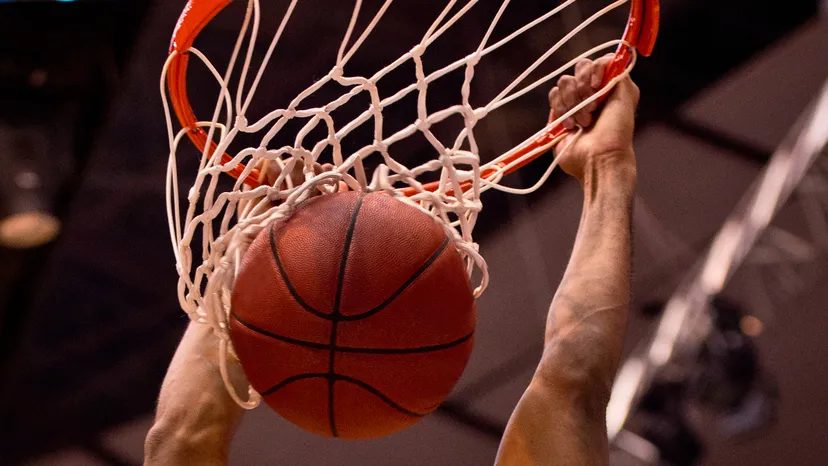

It started with peach baskets. No nets. Just a hole in a wooden box nailed to a balcony in Springfield, Massachusetts. In 1891, Dr. James Naismith invented the game that would eventually eat baseball’s lunch.
Today, basketball is less about the flashy dunk compilations on TV and more about agility, endurance, and hand-eye coordination. It’s a simple setup. A ball, a basket, at least two people. That’s it. But the complexity underneath is deep.
Why Basketball Overtakes Baseball in Participation
The numbers are staggering. According to the National Sporting Goods Association (NSGA), over 28 million Americans were playing basketball in 2001, making it the most popular team sport in the country. That was before the current boom.
Globally, the International Federation of Basketball (FIBA) reports that more than 300 million people participate in the sport. It isn’t just an American obsession anymore.
Essential Basketball Equipment
You don’t need much to get started, but a proper game requires specific gear.
- The Ball: Standardized size and weight for regulation play.
- The Basket: Two hoops, one on each end.
- The Court: Marked lines define the playing area.
How Players Score Points
Scoring is straightforward, but timing is everything.
- Field Goal: Two points.
- Three-Point Shot: Three points. The shooter must be completely outside the three-point line.
- Free Throw: One point. Awarded after certain fouls.
Which Rules Do Players Must Follow?
The rulebook keeps the game fair and fast.
- Traveling: You cannot take extra steps without dribbling.
- Double Dribble: You cannot stop dribbling and then start again.
- Fouls: Physical contact that disrupts play. Personal fouls can lead to free throws or turnovers.
- Shot Clock: Limits the time a team has to attempt a shot.
Identifying Players by Position and Number
Every player has a role. Their number often hints at their history, but their position defines their job on the court.
- Point Guard: The floor general. Directs traffic.
- Shooting Guard: The primary outside scorer.
- Small Forward: Versatile. Can play inside and out.
- Power Forward: Strength and rebounding near the rim.
- Center: The anchor under the basket.
Understanding these roles helps you follow the flow of the game. You stop watching for individual stats and start seeing the system.
What happens when a team ignores these fundamentals? Chaos. But when they align, the rhythm is undeniable. The peach basket is long gone, replaced by nets that rattle after every make. The core remains. Two hoops. One ball. A contest of will.