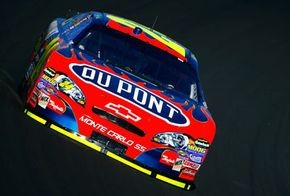
How #NASCAR car specs shaped modern motorsports
It wasn’t always this strict. Early NASCAR was a loose collection of hot rods and modified street cars where anything went. The series is now a strictly controlled machine. NASCAR is about more than awards. NASCAR writes the rulebook that dictates how the engine is built, what the shape of the car’s body is, and what happens on race day. If you want to understand the sport, you need a deep understanding of the technical limitations that define it.
Engine parameters and horsepower
You can’t just bolt in any V8. Engines in NASCAR Nextel Cup Series vehicles must meet strict requirements. Must have 8 cylinders. The compression ratio is 12:1. Displacement cannot exceed 358 cubic inches. The goal was to provide a performance package that maximized torque without blowing up the engine every three laps.
There’s one quirky holdover from the past: carburetors. Modern racing engines typically use direct fuel injection, but NASCAR requires the use of carburetors to mix fuel and air. The team has adopted this starting point and is constantly fine-tuning it. They adapt to their own tastes. result? Horsepower varies from shop to shop. Most modern engines are 750-790 horsepower. It’s not a matter of raw capacity. The most important thing is how to get the most out of these serious limitations.
Manufactured body panels and aerodynamics
Does it look like a Ford Mustang? Chevrolet Camaro? Dodge charger? It looks like it. It isn’t one.
Each team builds its own body from scratch. They use synthetic fiberglass composite material to mold the panels. The goal is to adapt the silhouette of the factory vehicle and achieve the specified length and width dimensions. Aerodynamics is more important here than aesthetics. NASCAR requires rear spoilers to be at a 70 degree angle. This particular setup creates downforce that keeps the car at 200 mph. This is a trade-off between speed and stability that is determined by regulators, not designers.
Goodyear tires and cost management
Look at the tires. No tread. It’s just wide and smooth rubber. Who supplies them? Goodyear is NASCAR’s exclusive tire supplier. Teams do not drag tire racks to the track and install them themselves. Goodyear prepares the rubber according to exact specifications.
The main driver behind these rules is cost control. NASCAR limits the number of tires that teams can use during practice and qualifying. This prevents teams from spending fortunes on rubber for testing. during the actual race, there are no such restrictions. In this case, the rubber comes into contact with the road surface. Most teams will burn through nine to 14 sets of tires over the course of an event. This is a strategy game. Do you pit early? Do you want to stretch the rubber? if you’re flat-spotting your rear tires on lap one, you can’t win.
Fuel cell regulations
Why limit fuel capacity? Because NASCAR wants to determine winners based on race distance, not how much gas you can carry. Current fuel cells have a capacity of 22 gallons. But don’t get too comfortable with that number. NASCAR is considering lowering the specs to 18 gallons in the near future.
A smaller fuel tank means more pit stops. When there were more pit stops, the course of the race changed completely. This requires teams to manage tire wear and fuel consumption with surgical precision. It’s not just about running fast. This is about resource management as the rules remove the safety net of large fuel tanks. The next time you watch a race