


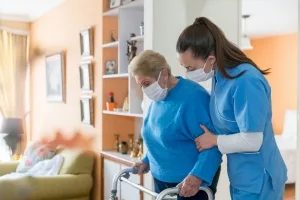

The pandemic didn’t just add hand sanitizer bottles to the hallway; it rewrote the rulebook for home care. When a care-dependent person catches the virus, the dynamic shifts instantly. You are no longer just helping with meals or mobility. You are managing a biohazard zone while trying to maintain dignity.
Managing the Infected Care Recipient
If your care recipient tests positive, standard protocols fail. You need specific PPE and strict hygiene barriers. The goal is simple: protect the caregiver from infection while ensuring the patient does not suffer from isolation or neglect.
“Infection control and careful care become the primary focus during an active outbreak.”
This means separating spaces. Keeping the patient in one room. Minimizing shared surfaces. It is exhausting work. The physical distance required can feel emotional, even when the patient is still conscious.
The Long-Covid Aftermath
The virus leaving the body does not mean the crisis is over. Long-Covid symptoms can linger for weeks or months. Fatigue. Brain fog. Breathlessness. These symptoms redefine what “care” looks like.
The person may no longer need isolation precautions, but they need support for a new baseline. They might tire after ten minutes of sitting. They might struggle to concentrate during conversations. The daily routine must adapt to this new physical reality.
Why Post-acute Support Matters
Many caregivers are unprepared for this phase. They focused on the acute infection. Now they face a chronic limitation. This requires a different approach. It is not about containment anymore. It is about pacing. It is about modifying activities to match reduced energy levels.
The challenge is identifying which symptoms are part of Long-Covid recovery and which are baseline aging or pre-existing conditions. Without clear guidance, caregivers often guess. This leads to frustration on both sides.
Understanding the difference between acute infection risks and post-viral fatigue is the key to stabilizing the household.
Managing infection risks in home care for vulnerable patients
Infection control remains your most reliable tool against SARS-CoV-2 transmission. The virus spreads easily, and variants like the British B.1.1.7 strain have demonstrated a capacity for rapid propagation. For caregivers at home, this means standard hygiene protocols are not optional; they are survival mechanisms. The AHA rules (distance, hygiene, mask) form the baseline, but home environments require a more aggressive approach.
Disinfecting high-touch surfaces and objects should be a daily ritual, not an occasional chore. Consumable supplies like bed protectors and single-use gloves need proper disposal in a lidded bin to prevent cross-contamination. Rotating linens and clothing regularly, followed by proper laundering, cuts the viral load in the environment. Testing also plays a role here. Regular antigen rapid tests at home or visits to a testing center can lower the risk of asymptomatic spread, just as they do in public spaces.
Caring for a housebound patient during an active infection
If the person you care for tests positive, the dynamic shifts immediately. You are likely prioritized for vaccination, but that does not grant immunity. Infection is still possible, though post-vaccination cases tend to be milder in severity. The primary goal becomes managing care at home while minimizing your own exposure risk.
This requires strict adherence to infection barriers. Monitor the patient’s health closely. Any significant change in their condition must be reported to their physician immediately. This assessment determines whether home care remains safe or if hospitalization becomes necessary. Your own protection is non-negotiable. You must maintain rigorous hygiene standards to prevent becoming a vector of infection while continuing to provide essential care.
Addressing long-term symptoms after recovery
Recovery is not always linear. Many patients face a prolonged period of post-acute sequelae. Recent data suggests nearly three-quarters of infected individuals experience these lingering effects. Older adults and women appear particularly susceptible, though no demographic is immune.
Symptoms vary widely. Chronic fatigue and muscle weakness are the most common complaints. Sleep disturbances, depression, and anxiety disorders also frequently emerge. For a care-dependent individual, these symptoms compound the existing challenges of daily life. It creates an additional burden for both the patient and the caregiver, making routine tasks significantly harder.
Support systems exist for this phase. The German Pension Insurance offers follow-up rehabilitation (AHB) or medical rehabilitation specifically for those suffering from post-Covid syndrome. This intervention is designed to help patients regain strength and functionality after the acute phase has passed.
Practical strategies to ease the caregiving burden
Navigating the pandemic requires a combination of preventive health measures, financial support, and specialized equipment.
- Immune support: Maintain a healthy diet and ensure regular exposure to fresh air and physical movement. A robust immune system is your first line of defense against reinfection.
- Household assistance: Physical limitations, whether from the underlying condition or post-Covid symptoms, make household tasks difficult. A home help service can alleviate this strain. These services can be funded through care allowance funds or the specific relief amount designated for caregivers.
- Protective supplies: Specific aids are critical for safety. FFP2 masks, disinfectants, and disposable gloves are essential components of the care kit.
Maximizing the utility of care aids and financial benefits
Consumable care aids have always been a staple of home care, but their importance has intensified during the pandemic. Items such as bed protectors, protective gowns, gloves, and disinfectants are now standard. FFP2 masks have been added to this category of eligible supplies.
The financial support for these consumables has been adjusted to reflect rising costs. The monthly budget available for purchasing care aids to be consumed has increased from 40 euros to 60 euros. This fund is designed to offset the expense of these necessary materials.
For many, the most efficient solution is a care box. This service delivers a curated selection of supplies directly to the home. It is customizable based on the specific care requirements in the household. Crucially, this delivery service often comes without additional co-payment, streamlining the process of maintaining a well-stocked, safe care environment.