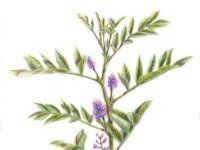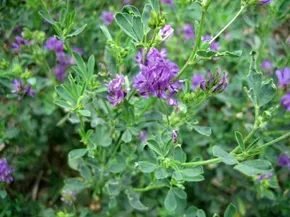
We usually think of alfalfa as a crunchy garnish for salads and sandwiches. But the whole plant, from tiny flowers to mature leaves, has value beyond mere structure. Herbalists have long recognized this tall, bushy plant as a powerful nutritional tool. It’s not just a matter of taste. It’s about what happens in your body when you ingest it.
How to balance your hormones
One of the most compelling reasons people turn to alfalfa is its interaction with hormones. Plants contain isoflavones and coumarins. These substances bind to estrogen receptors in the body. Think of the receptors as locks and estrogen as a key.
If estrogen levels are low, many of your locks will be empty. The alfalfa compounds act as substitute keys. They fit into the locks and increase estrogenic activity. Although not as strong as natural estrogen, these alternative bonds can help fill the gap.
The reverse is also true. If estrogen levels are too high, alfalfa compounds will occupy some of the binding sites. This denies space to the excess estrogen. As a result, estrogen activity decreases. Alfalfa is often touted for its hormonal balancing properties, as it can increase or decrease estrogenic effects as needed.
Lower your cholesterol without changing your lifestyle
Alfalfa also targets heart health. Saponins found in plants bind cholesterol. This combination prevents absorption into the body. Over time, this helps lower blood cholesterol levels.
The researchers focused in particular on atherosclerosis. This is a condition where plaque builds up on the walls of the arteries. In one study, 15 patients took an alfalfa seed preparation for 8 weeks. They did not change their diet. They did not change their exercise habits. The results are clear. Cholesterol decreased by 17%. Low-density lipoprotein (LDL), the “bad” cholesterol, is significantly reduced. This suggests a direct link between alfalfa and reduced plaque formation.
Concentration of nutrients and traditional methods of use
In addition to hormones and cholesterol, alfalfa is also a nutrient. It is rich in vitamins A and C and contains niacin, riboflavin, folic acid and bioflavonoids. Mineral components include calcium, magnesium, iron and potassium.
Traditional medicine systems leverage this density. In Ayurveda, the main healthcare system in India, physicians use alfalfa for poor digestion. It is also used to relieve the symptoms of arthritis. Other practitioners recommend it for anemia. Women who have difficulty breastfeeding can use it to increase milk production.
How to eat alfalfa safely
You can find alfalfa in capsules. One or two capsules per day is usually recommended for daily nutrition. You can also buy dried leaves in bulk. These can be infused to make a nourishing tea.
When making tea, use 1 tablespoon per cup of boiling water. Steep for 15 minutes. You can drink several cups a day. Some people add lemongrass or mint for added flavor.
However, you should be careful when it comes to consumption. Not all parts of the plant are safe for everyone.
Risks and precautions
Excessive intake can cause destruction of red blood cells. This is a serious side effect. There is also a special compound called canavanine. This amino acid is found in seeds and sprouts. It is not present in mature leaves.
Canavanine is problematic for lupus patients. Canavanine caused a lupus-like disease in monkeys fed a diet rich in alfalfa. Lupus patients should avoid alfalfa sprouts and seeds. The compound can aggravate the disease.
Pregnancy is another concern. Alfalfa supplements should be avoided during pregnancy because alfalfa contains canavanine and hormonally active saponins. It may be acceptable to have sprouts on top of the sandwich from time to time. It is not recommended to take supplements or large amounts of sprouts daily.
Side effects and scientific background
Side effects are not widely reported when used in moderation. But the science is not always complete. Many herbal medicines have not undergone rigorous scientific evaluation. Their safety is often based on traditional use rather than large clinical trials.
Combining these treatments with prescription medications can cause side effects. Information is often limited. That’s why it’s important to consult with your doctor before starting a new treatment. The information contained herein is for educational purposes only. This is not medical advice. Your body is complex. What works for one may not work for another.
Alfalfa has a long history. The possibilities are endless. But the line between remedies and risks is thin. Understanding this difference is the first step to using it effectively. The plant offers a lot. It is equally important to know how to handle it safely.