We’ve all been there. You’re fine one minute, then suddenly you are hot. Wired. Exhausted.
It’s not just moodiness. It’s not “just stress.”
Two Ayurvedic physicians—Avanti Kumar-Singh and Tanmeet Sethi of Arvasi—argue that what we call menopause symptoms are actually signs of Pitta, or the body’s metabolic fire, running off the rails.
And if you are in your 30s or 40s, you might already be feeding that fire without realizing it.
Why perimenopause feels like internal heat
In Ayurveda, Pitta governs metabolism, digestion, and focus.
Between ages 25 and 55—what Ayurveda calls the “householder” years—women often carry a lot of responsibility. Careers. Kids. Aging parents. This life stage demands high Pitta energy.
But there is a limit.
“When that fire isn’t balanced,” Kumar-Singh says, “it shows up as hot flashes, brain fog, and aches.”
The problem gets worse because hormones change. Estrogen and progesterone are naturally anti-inflammatory. As they drop, the body loses a key buffer. You are essentially fighting inflammation from two sides at once.
That’s why symptoms vary so wildly from woman to woman. One person gets night sweats. Another gets brain fog. Another sees their metabolism stall completely.
How inflammation affects your blood sugar and insulin levels
It is not just about feeling uncomfortable.
Sethi says this metabolic shift shows up in your bloodwork, specifically in markers like CRP (C-reactive protein), cortisol, and insulin.
Here is the trap: Women often become more insulin resistant during menopause. This happens even if you haven’t changed your diet or exercise routine.
“Insulin levels rise, creating a more inflammatory environment that connects closely with cortisol.”
Cortisol is the stress hormone. When it stays high, it drives weight gain around the midsection. That stubborn belly fat isn’t a failure of willpower. It’s a hormonal response to an inflammatory body.
Sethi checks insulin levels early. Not HbA1c. Insulin. Why? Because insulin spikes happen long before blood sugar hits the “prediabetic” range. Catching it early lets you intervene before the damage sets in.
Calming the fire: Where to start
You can’t just wait it out. But you also don’t need to overhaul your entire life overnight.
1. Audit your daily choices
Awareness comes first. Ask yourself: Does this choice add heat or cool it down?
Take exercise. Everyone says you should do HIIT. But if you are sleep-deprived and anxious, HIIT might be fueling your Pitta instead of calming it.
What about difficult conversations at home? They spike irritability. Irritability spikes cortisol. Cortisol spikes inflammation.
Connect the dots. Your habits are driving your symptoms.
2. Fix the gut
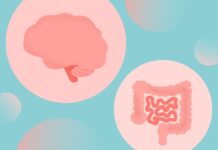
The gut is where Pitta lives. If your digestion is angry, your body is inflamed.
Sethi looks at microbiome health because it directly impacts blood sugar and anxiety. The fix isn’t complicated:
- Eat 25-38 grams of fiber daily.
- Add fermented foods.
- Stay active.
Better gut health lowers systemic inflammation. It’s a ripple effect.
3. Sleep is non-negotiable
One night of bad sleep can make your bloodwork look like prediabetes.
Insulin goes up. Glucose goes up. Appetite hormones break. Mood crashes.
It’s not just about a dark room. It’s about biology. Progesterone helps you sleep. If your levels are fluctuating, sleep suffers. Sethi looks at circadian rhythms, stress levels, and light exposure to rebuild rest.
4. Protein and strength training
After 30, women can lose 8% of their muscle mass per decade. That rate accelerates after menopause.
Low estrogen makes muscle preservation harder. The solution? Protein. Heavy lifting.
But it only works if you sleep. Without recovery, the exercise adds stress instead of strength.
Sethi also uses Ayurvedic food prescriptions based on your Dosha (body type). Spices and ingredients are chosen specifically to cool Pitta. Not just “eat healthy,” but “eat for your fire.”
Does Hormone Replacement Therapy help?
Yes. But it’s not a magic wand.
HRT is highly personalized. Patches, pills, creams—the dose and delivery matter. Kumar-Singh and Sethi support HRT, but with a caveat.
“The women who do best are those with a strong foundation in lifestyle medicine alongside HRT.”
HRT manages the hormonal deficit. Lifestyle manages the inflammation. You usually need both.
The shift
Perimenopause feels chaotic because the body is undergoing a metabolic transformation. The fire that powered your ambition and caretaking is now overloading the system.
You don’t have to let it burn you out.
Start balancing in your 30s and 40s. Support the gut. Prioritize sleep. Move with intention.
It’s less about fighting aging and more about finding the right fuel for your current phase.