Recurrent pericarditis—a condition characterized by the persistent inflammation of the sac surrounding the heart—requires more than just medication. For many patients, diet plays a pivotal role in managing symptoms and preventing painful flare-ups. The core strategy is straightforward: adopt an anti-inflammatory, heart-healthy eating pattern, such as the Mediterranean diet, to lower systemic inflammation and support the healing of the pericardium.
By consciously limiting triggers like processed foods, added sugars, and saturated fats, patients can not only soothe inflammation around the heart but also improve related metrics like blood pressure and cholesterol. This approach transforms nutrition from a passive habit into an active tool for cardiac care.
The Power of Small, Strategic Swaps
Overhauling one’s entire diet overnight can feel daunting and unsustainable. However, cardiologists emphasize that small, intentional shifts yield significant results. Dr. Tarak Rambhatla, a cardiologist at the Miami Cardiac and Vascular Institute, suggests focusing on “smart swaps”—replacing common inflammatory triggers with nutrient-dense alternatives.
Here are six key substitutions to consider:
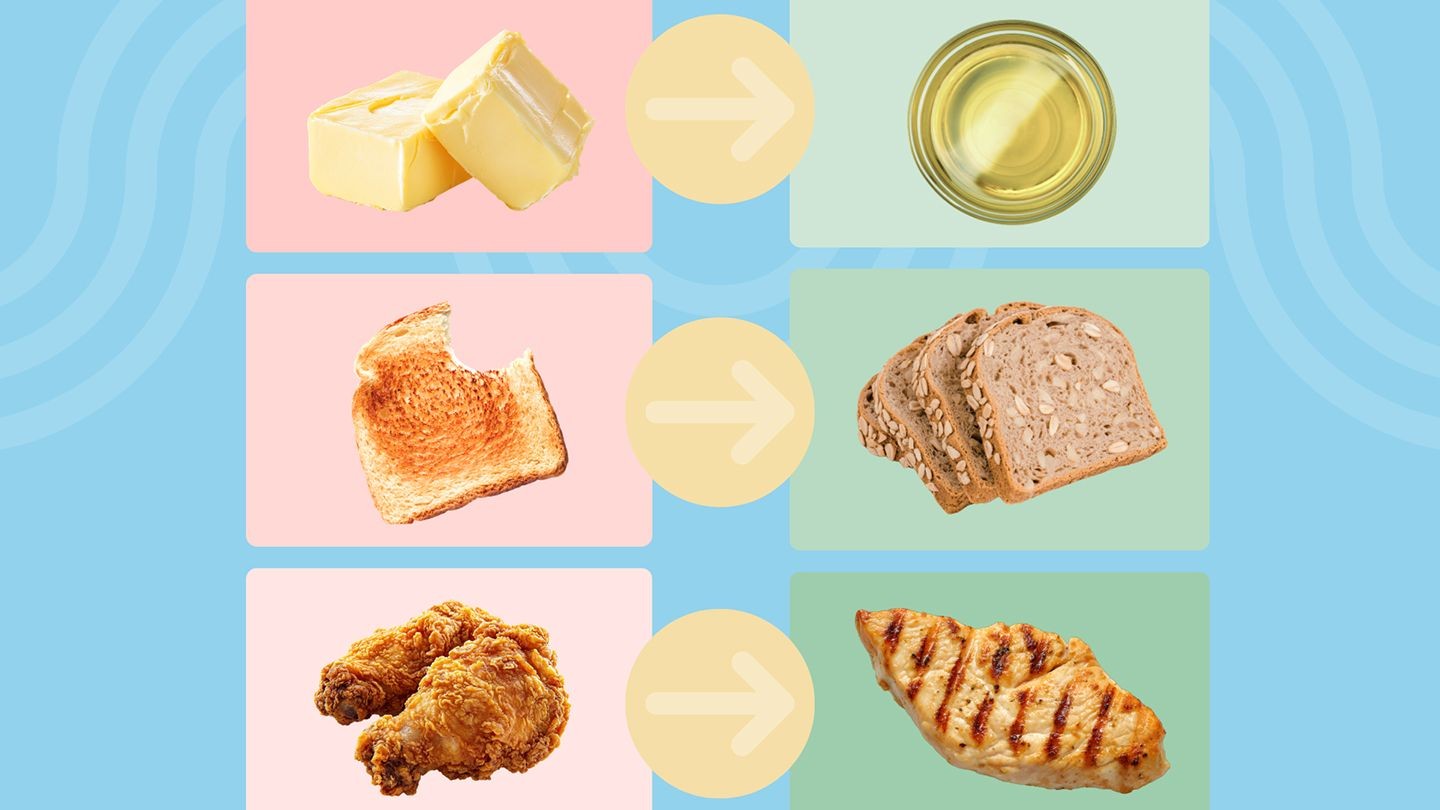
1. From Butter to Extra Virgin Olive Oil
Butter is rich in saturated fats, which can promote inflammation. Even some unsaturated vegetable oils (like corn or soybean oil) may contribute to inflammatory responses due to high omega-6 fatty acid content.
* The Swap: Use extra virgin olive oil as your primary cooking fat. It is considered the gold standard for reducing vascular inflammation.
* Why it matters: Olive oil contains potent antioxidants and healthy monounsaturated fats that actively combat inflammation.
2. From Red Meat to Fatty Fish or Legumes
Red meat is generally pro-inflammatory, particularly for individuals with existing cardiovascular issues.
* The Swap: Limit red meat to one or two servings per week. Instead, prioritize fatty fish like salmon or mackerel, which are rich in omega-3 fatty acids. For plant-based options, choose chickpeas and lentils.
* Why it matters: Omega-3s are powerful anti-inflammatory agents that help regulate the immune response, while legumes provide protein without the inflammatory burden of red meat.
3. From Refined Carbs to Whole Grains
White bread, pasta, and other refined carbohydrates are rapidly absorbed, causing spikes in blood sugar and insulin that can fuel inflammation.
* The Swap: Choose whole-grain bread, quinoa, farro, brown rice, or chickpea pasta.
* Why it matters: Whole grains provide fiber, which slows digestion and stabilizes blood sugar levels, reducing the metabolic stress that can trigger inflammation.
4. From Bottled Dressings to Olive Oil and Vinegar
Commercial salad dressings (such as Caesar or Ranch) are often highly processed, containing hidden sugars, unhealthy fats, and inflammatory additives.
* The Swap: Dress salads with a simple mixture of extra virgin olive oil, vinegar, and a squeeze of lemon juice.
* Why it matters: This simple combination provides healthy fats and acidity without the inflammatory load of processed additives.
5. From Fried Foods to Grilled Lean Proteins
Fried foods are typically cooked in inflammatory oils and coated in refined starches, creating a double burden for the heart.
* The Swap: Opt for grilling, baking, or poaching lean proteins like chicken or fish.
* Why it matters: Grilling preserves nutrients and avoids the harmful trans fats and acrylamides often found in fried foods.
6. From Alcohol to Sparkling Water
Alcohol is a known inflammatory trigger. While the effects of moderate drinking are debated, consuming three or more drinks daily is strongly linked to worse outcomes for heart disease. Alcohol also disrupts sleep, which is already compromised by pericarditis pain.
* The Swap: Replace alcoholic beverages with sparkling water infused with fresh lemon or lime.
* Why it matters: Hydration supports overall metabolic function, while avoiding alcohol reduces direct inflammatory stress and improves sleep quality.
A Daily Blueprint for Anti-Inflammatory Eating
Transitioning to this lifestyle is easier with a structured plan. Below is a sample day designed to keep energy levels steady and inflammation low.
| Meal | Traditional Choice (Avoid) | Smart Swap (Choose) | Benefit |
|---|---|---|---|
| Breakfast | Large coffee + Bagel | Green tea + Oatmeal with walnuts | Green tea offers gentle antioxidants; walnuts provide anti-inflammatory omega-3s. Avoids caffeine-induced heart rate spikes. |
| Lunch | Deli wrap | Salad with chickpeas, spinach, and brown rice | Eliminates hidden sodium and processed flour. Fiber-rich legumes promote satiety without bloating. |
| Snack | Granola bar | Apple with almond butter | Prevents blood sugar spikes. Whole fruit and healthy fats slow sugar absorption. |
| Dinner | Heavy meat dish | Grilled turkey skewers + Roasted sweet potatoes | Sweet potatoes are a complex carb alternative to white potatoes, providing steady energy. |
| Evening | Alcohol nightcap | Caffeine-free herbal tea | Promotes relaxation and better sleep quality without inflammatory alcohol. |
Eating Habits Matter as Much as Food Choices
What you eat is important, but how you eat is equally critical. Dr. Rambhatla notes that modern portion sizes are often excessive.
* Practice Portion Control: Adopt the Mediterranean approach of smaller, more frequent meals.
* Eat Slowly: Chewing thoroughly and eating slowly allows the body to process nutrients more effectively and reduces the physical stress on the digestive and cardiovascular systems.
The Bottom Line
Managing recurrent pericarditis through diet is not about perfection, but about consistent, mindful choices. By prioritizing nutrient-dense foods—such as olive oil, fatty fish, whole grains, and legumes—and avoiding inflammatory triggers like processed meats, refined sugars, and alcohol, patients can significantly reduce the risk of flare-ups.
Key Takeaway: Gradual adoption of these habits—reading labels for hidden sugars, choosing grilled over fried, and savoring smaller portions—creates a sustainable framework for long-term heart health and reduced inflammation.