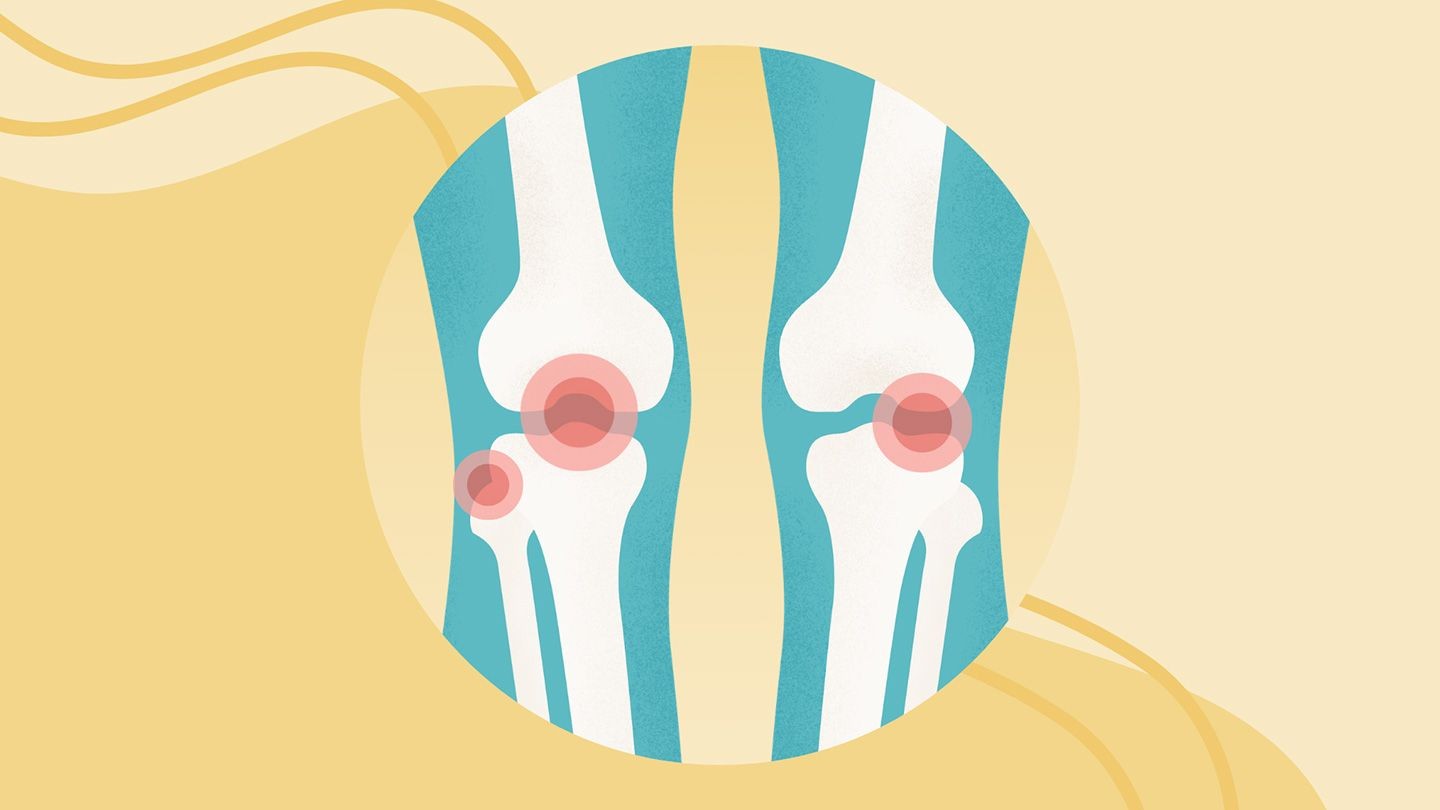
Knee osteoarthritis (OA) is a common joint condition characterized by the breakdown of cartilage in the knee, leading to pain, swelling, and reduced mobility. While there’s no cure, effective treatments can significantly improve quality of life. This article provides a detailed overview of the condition, from understanding its causes and diagnosis to exploring the latest treatment options and preventative measures.
Understanding Knee Osteoarthritis
Knee OA is one of the most prevalent forms of arthritis, affecting millions worldwide. It occurs when the protective cartilage that cushions the ends of bones in the knee gradually deteriorates, causing the bones to rub directly against each other. This friction leads to inflammation, pain, and stiffness.
Traditionally, OA was viewed as simply “wear and tear” from aging. However, current research suggests it’s more complex, involving an imbalance between cartilage damage and repair. Regular, moderate knee use is actually beneficial because it stimulates cartilage metabolism. Prolonged inactivity can worsen the condition.
Recognizing the Symptoms
Symptoms of knee OA develop gradually and vary in severity. Common signs include:
- Pain: Often worse during or after activity, ranging from dull aches to sharp, stabbing sensations.
- Stiffness: Especially in the morning or after periods of rest, lasting less than 30 minutes.
- Swelling: Visible inflammation around the knee joint.
- Crepitus: Clicking, popping, or grating sounds when moving the knee.
- Reduced Range of Motion: Difficulty bending or straightening the knee fully.
- Locking or Buckling: A feeling of instability or the knee giving way.
These symptoms progressively interfere with daily activities like walking, climbing stairs, and even sitting for extended periods.
Causes and Risk Factors
Knee OA can be categorized as primary or secondary:
- Primary OA: Occurs without a clear underlying cause, likely due to genetic predisposition or age-related cartilage breakdown.
- Secondary OA: Results from specific injuries, surgeries, obesity, or other medical conditions like diabetes, blood disorders, or bone deformities.
Obesity is a major modifiable risk factor as excess weight puts additional stress on the knee joints.
Diagnosis and Evaluation
Diagnosis typically involves a combination of:
- Physical Examination: Assessing range of motion, tenderness, and stability.
- X-rays: Detecting bone spurs, joint space narrowing, and other structural changes.
- MRI: Providing detailed images of cartilage and soft tissues.
- Joint Fluid Analysis: Ruling out other causes of knee pain, such as infection or gout.
Treatment Options
While there’s no cure, a range of treatments can manage symptoms:
Lifestyle and Physical Therapy
- Exercise: Low-impact activities like walking, swimming, and cycling strengthen supporting muscles and improve joint function.
- Weight Management: Losing excess weight reduces stress on the knees.
- Heat/Cold Therapy: Applying heat to relieve stiffness and cold to reduce swelling.
- Assistive Devices: Using canes or braces for support.
Medications
- NSAIDs: Over-the-counter or prescription drugs to reduce pain and inflammation.
- Corticosteroid Injections: Providing temporary pain relief by reducing inflammation.
- Hyaluronic Acid Injections: Lubricating the joint, though their long-term effectiveness is debated.
- Duloxetine: Some evidence suggests this antidepressant can alleviate OA pain.
Surgery
- Cartilage Grafting: Replacing damaged cartilage with healthy tissue (limited applicability).
- Osteotomy: Reshaping bone to redistribute weight (for specific cases).
- Knee Replacement: Replacing the entire joint with artificial components (for severe OA).
- Arthroscopy: Minimally invasive surgery to remove damaged cartilage or bone spurs, though its benefits are increasingly questioned by experts.
Prevention Strategies
While not always preventable, you can lower your risk:
- Maintain a Healthy Weight.
- Stay Physically Active.
- Treat Underlying Conditions (e.g., diabetes).
- Avoid Repetitive Stress Injuries.
- Strengthen Supporting Muscles.
Prognosis and Complications
Knee OA is progressive, meaning symptoms worsen over time. However, symptoms can remain stable for years with proper management. Potential complications include chronic pain, disability, obesity, heart disease, depression, and sleep disturbances.
An estimated 365 million people worldwide live with knee OA, making it a major public health concern.
Conclusion
Knee osteoarthritis is a complex condition that requires a multi-faceted approach to treatment and prevention. By understanding the underlying causes, symptoms, and available options, individuals can effectively manage their pain, maintain mobility, and improve their quality of life. Early intervention, lifestyle modifications, and medical care are essential for slowing progression and minimizing long-term complications.